Nepedia

Smoked salmon brioche loaf

A soft milk-rich loaf rolled around smoked salmon, crème fraîche and dill. The lighter dough is made and baked on the same day.

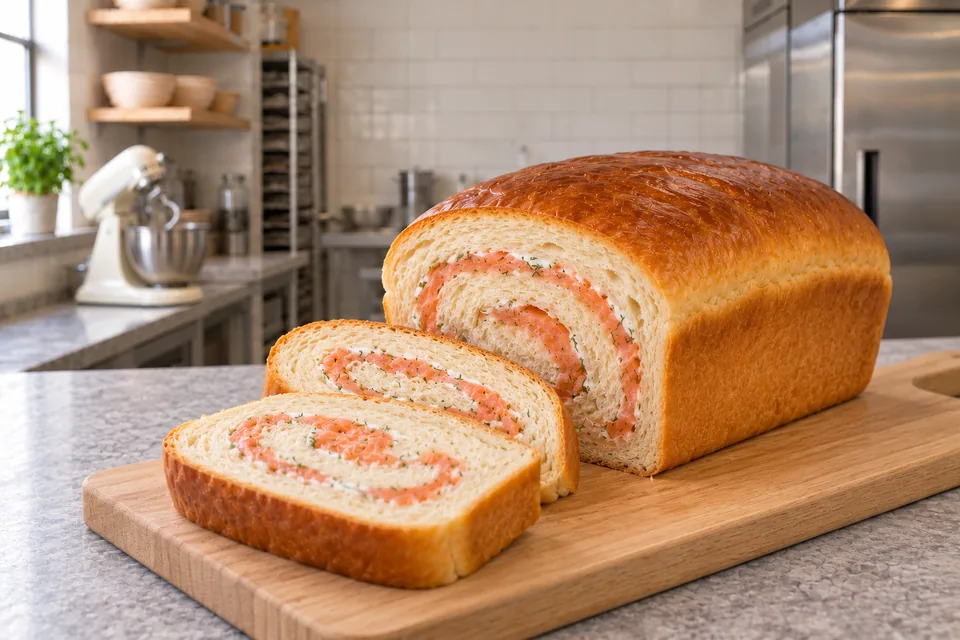
One golden brioche loaf with two slices revealing salmon and dill in a rolled spiral.
Makes
1 loaf, 12 slices
Heat
200°C conventional
Baking time
30–40 min
Cuisine / style
France
Explore variations · 3 →Jump to ingredients & method ↓
View

Smoked salmon brioche loaf

Makes
1 loaf, 12 slices
Heat
200°C conventional
Baking time
30–40 min
Cuisine / style
France
France · Brioche

Smoked salmon brioche loaf

A soft milk-rich loaf rolled around smoked salmon, crème fraîche and dill. The lighter dough is made and baked on the same day.

Method

  1. 01 · Mix and develop the dough

    7–9 min

    Use: Strong white bread flour; Whole milk; Beaten whole egg; Caster sugar; Fine salt; Instant dried yeast

    Put the dough flour, milk, 50 g egg, sugar, salt and yeast in a stand-mixer bowl. Mix with the dough hook until the flour is moistened, then knead at the manufacturer’s recommended speed for 5 minutes.

    Ready when: The dough gathers into an elastic mass.
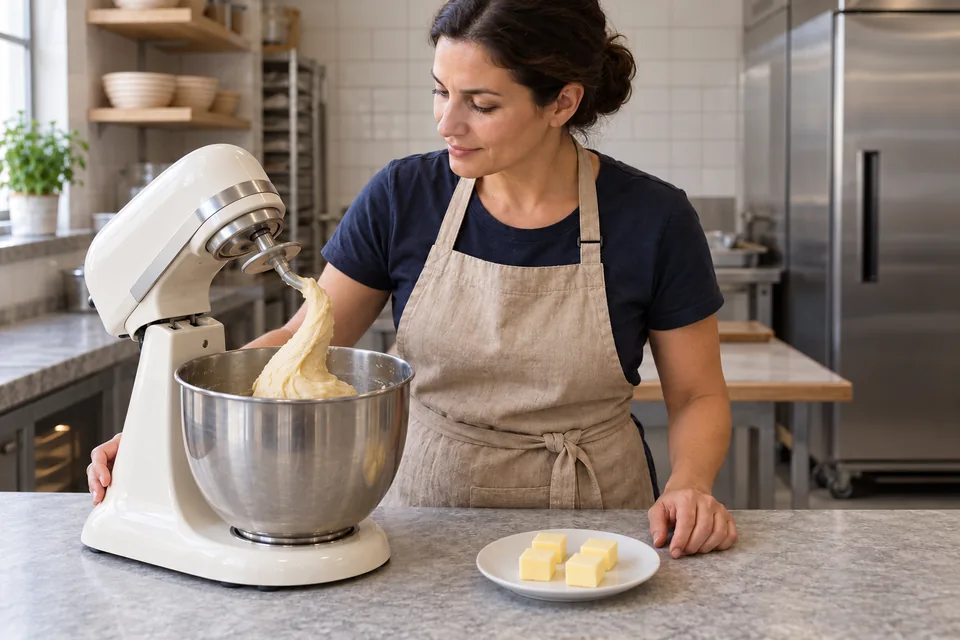
    Cook beside a stopped cream stand mixer with dough on its hook and four small butter pieces.
    01 Develop the milk-rich doughMix and develop the milk-rich dough.
  2. 02 · Work in the butter

    5–8 min

    Use: Unsalted butter

    Add the 40 g softened butter in small pieces. Continue kneading for 5–8 minutes, pausing to scrape the bowl if needed.

    Ready when: No butter pieces remain and the dough stretches smoothly. It is soft but holds together.
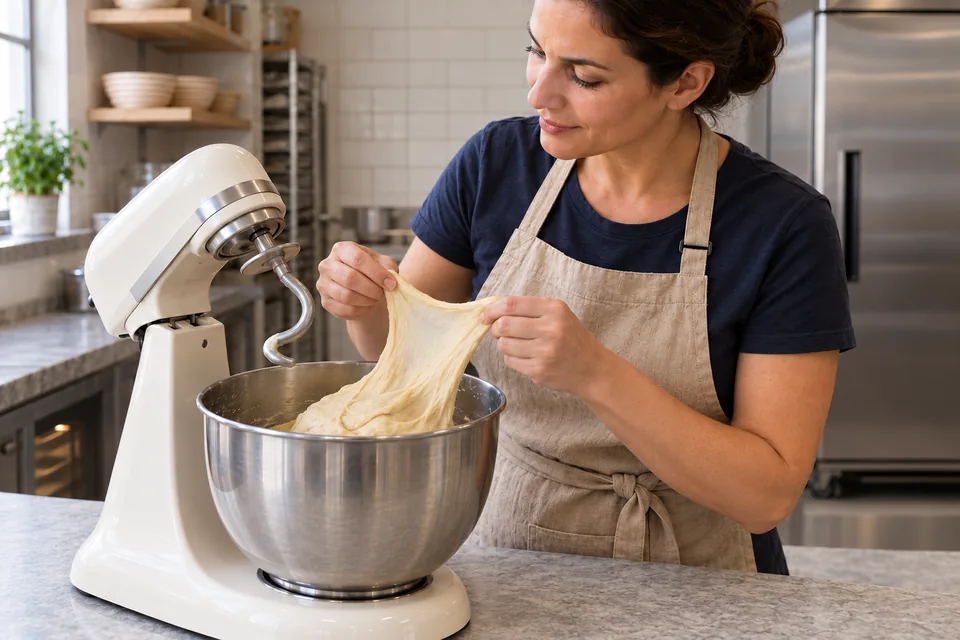
    Hands stretch a small flap of smooth pale enriched dough over the steel mixer bowl.
    02 Knead in the butterKnead in the softened butter until the dough is smooth.
  3. 03 · Let the dough rise

    60–90 min

    Use:

    Cover the bowl and leave at 22–24°C for 60–90 minutes. Keep the salmon and crème fraîche refrigerated while the dough rises.

    Ready when: The dough is airy and approximately doubled in volume.
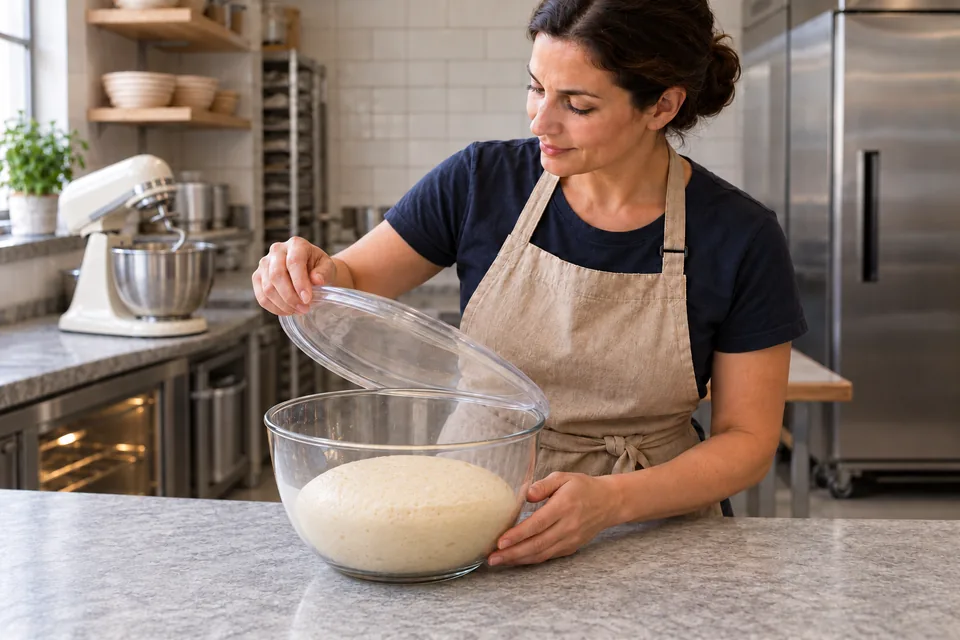
    Cook lifts a cover from risen milk-rich dough in a clear bowl.
    03 Let the dough riseLet the covered dough rise until airy and about doubled.
  4. 04 · Add the chilled filling and roll into the tin

    12–18 min

    Use: Butter for the tin; Flour for shaping; Full-fat crème fraîche; Fresh dill leaves; Ground black pepper; Smoked salmon

    Butter a 23×13×8 cm loaf tin and line the base with baking paper. Lightly flour the worktop and roll the dough into a 25×35 cm rectangle. Spread the crème fraîche over it, leaving a 2 cm clear border. Add the dill, pepper and salmon in an even thin layer. Starting at a 25 cm edge, roll up without squeezing out the filling. Pinch the long seam closed, tuck the ends inward to fit the tin, and set the log seam-side down.

    Ready when: One filled log fits the tin with closed ends. All filling is inside rather than piled along the seam.
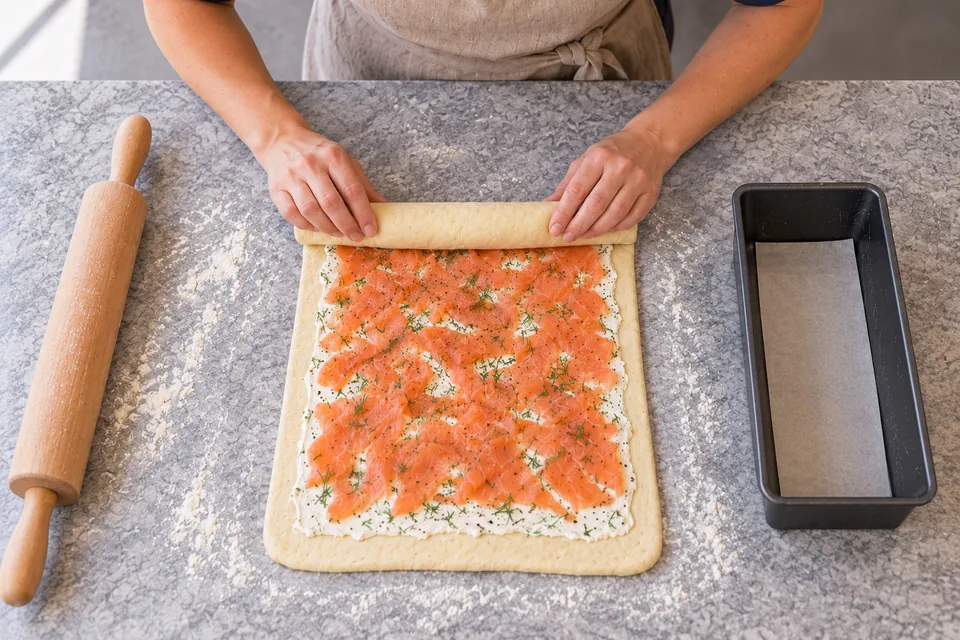
    Hands begin rolling a rectangle of dough spread thinly with salmon, crème fraîche and dill.
    04 Fill and roll from the short edgeAdd the thin cold filling and roll from a short edge.
  5. 05 · Proof and heat the oven

    45–60 min

    Use:

    Cover loosely and leave at 22–24°C for 45–60 minutes. Heat the oven to 200°C conventional during the final 20 minutes.

    Ready when: The loaf is puffy, has risen well up the tin and a light fingertip dent recovers slowly.
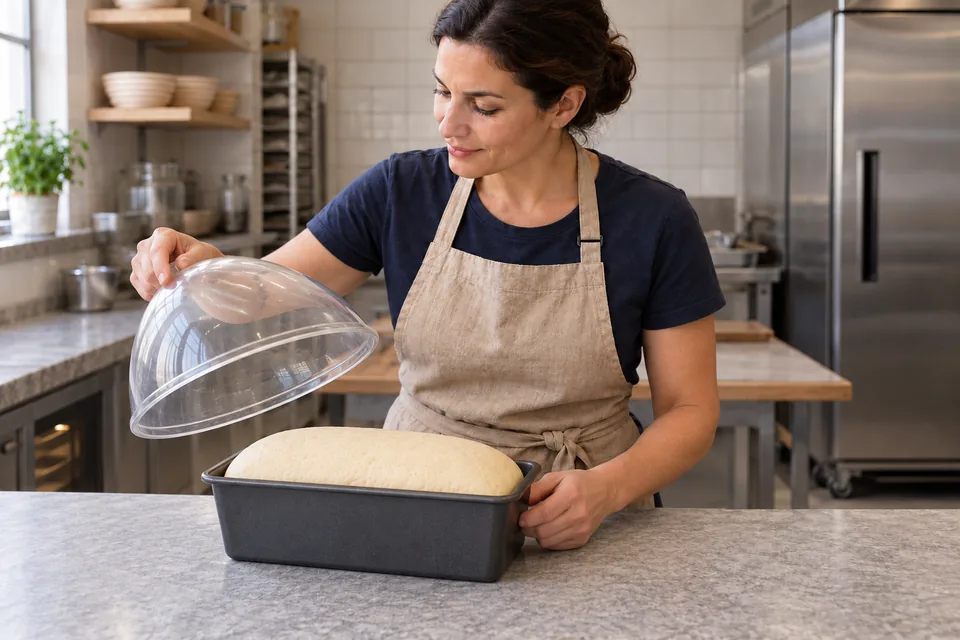
    Cook lifts the cover above one risen filled loaf in its tin.
    05 Proof the filled loafLet the filled loaf become puffy before glazing.
  6. 06 · Brush and bake the filled loaf

    32–42 min

    Use: Beaten egg for brushing

    Brush lightly with the separate beaten wash egg. Bake for 30–40 minutes. If the top becomes dark early, cover loosely with foil. Probe the bread near the middle, between salmon layers, and check that the filling is hot through.

    Ready when: The bread reaches about 93°C, the sides are firm and there is no wet raw dough around the filling.
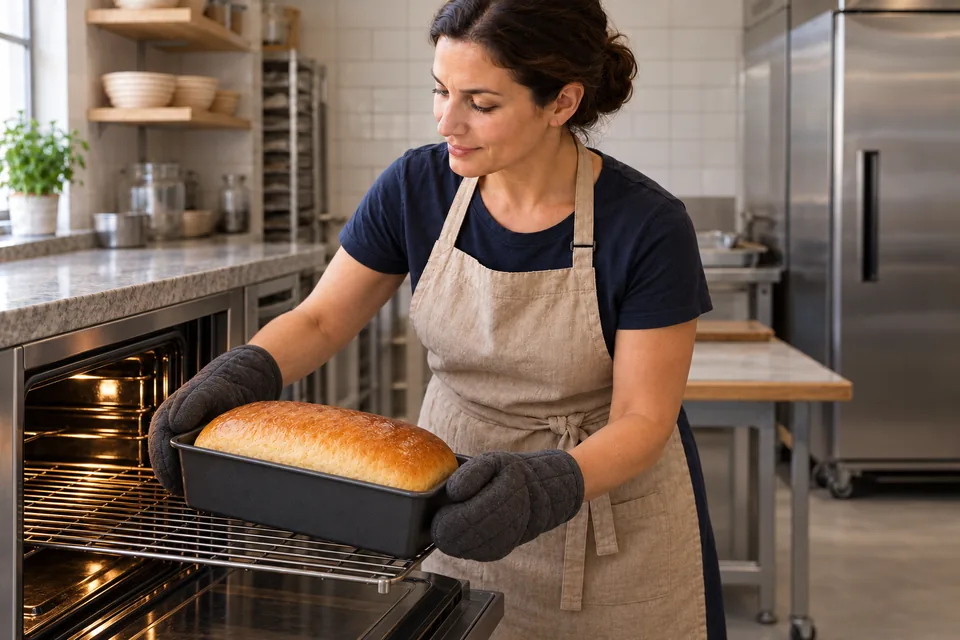
    Cook uses two oven mitts to support one golden baked loaf in its tin.
    06 Glaze lightly and bakeBrush lightly with egg and bake until the bread and filling are cooked.
  7. 07 · Rest before slicing

    45 min

    Use:

    Leave in the tin for 10 minutes, then turn out onto a rack. Rest for another 35 minutes before slicing with a serrated knife.

    Ready when: Slices hold together and the filling no longer releases clouds of steam.
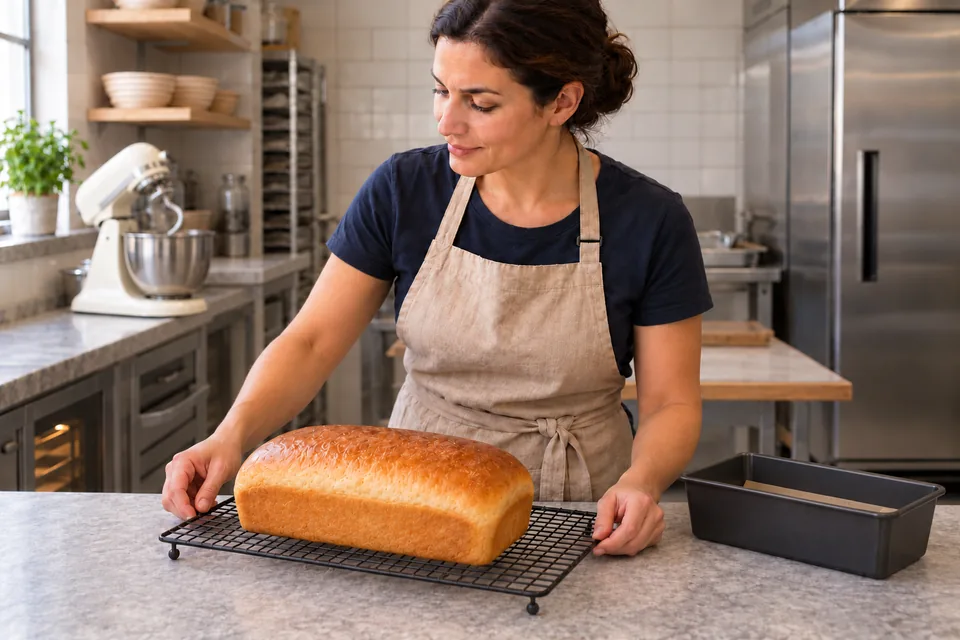
    Cook beside one cooled golden salmon brioche loaf on a black rack.
    07 Rest and cool before slicingRest in the tin, then cool on a rack before slicing.

What to look for

StageLook / feel forNeeds attention
Mix and develop the doughThe dough gathers into an elastic mass.
Work in the butterNo butter pieces remain and the dough stretches smoothly. It is soft but holds together.
Let the dough riseThe dough is airy and approximately doubled in volume.
Add the chilled filling and roll into the tinOne filled log fits the tin with closed ends. All filling is inside rather than piled along the seam.
Proof and heat the ovenThe loaf is puffy, has risen well up the tin and a light fingertip dent recovers slowly.
Brush and bake the filled loafThe bread reaches about 93°C, the sides are firm and there is no wet raw dough around the filling.
Rest before slicingSlices hold together and the filling no longer releases clouds of steam.

Troubleshooting

If you see thisLikely causeWhat to do nowNext time
The filling escapes while rolling.The filling reached the border or the log was squeezed too tightly.Clear the border and pinch the seam and ends closed before putting the loaf in the tin.Use the measured filling and leave the stated clear border.
The loaf is golden but dough remains wet near the filling.The outside coloured before the middle cooked.Cover loosely with foil and continue baking, checking bread rather than only the hot salmon.Use the stated tin and check the centre before taking the loaf out.

Storage: Refrigerate leftovers promptly once cooled, and within 2 hours of baking. Wrap and use within 2 days. Reheat slices until hot through. Freeze wrapped slices for up to 1 month; thaw in the refrigerator before reheating.; Contains: wheat, milk, egg, fish.; This Nepedia version has not been kitchen-tested.

Ingredient choices & substitutions

No brand is specified.

Match the ingredient’s function and weight. See the flour, gluten, yeast and salt guide.

Other approaches to this recipe
Cook / recipeUseWhat differs

The working ingredients and method form one recipe. Different formulas are compared without averaging their quantities or rise schedules.

Nepedia
One golden brioche loaf with two slices revealing salmon and dill in a rolled spiral.
A soft milk-rich loaf with a thin smoked-salmon spiral.

Recipe

Smoked salmon brioche loaf

A soft milk-rich loaf rolled around smoked salmon, crème fraîche and dill. The lighter dough is made and baked on the same day.

How do I make it?

  1. Mix and develop the dough

    7–9 min

    Put the dough flour, milk, 50 g egg, sugar, salt and yeast in a stand-mixer bowl. Mix with the dough hook until the flour is moistened, then knead at the manufacturer’s recommended speed for 5 minutes.

    Cook beside a stopped cream stand mixer with dough on its hook and four small butter pieces.
    Mix and develop the milk-rich dough.

    Ready when: The dough gathers into an elastic mass.

  2. Work in the butter

    5–8 min

    Add the 40 g softened butter in small pieces. Continue kneading for 5–8 minutes, pausing to scrape the bowl if needed.

    Hands stretch a small flap of smooth pale enriched dough over the steel mixer bowl.
    Knead in the softened butter until the dough is smooth.

    Ready when: No butter pieces remain and the dough stretches smoothly. It is soft but holds together.

  3. Let the dough rise

    60–90 min

    Cover the bowl and leave at 22–24°C for 60–90 minutes. Keep the salmon and crème fraîche refrigerated while the dough rises.

    Cook lifts a cover from risen milk-rich dough in a clear bowl.
    Let the covered dough rise until airy and about doubled.

    Ready when: The dough is airy and approximately doubled in volume.

  4. Add the chilled filling and roll into the tin

    12–18 min

    Butter a 23×13×8 cm loaf tin and line the base with baking paper. Lightly flour the worktop and roll the dough into a 25×35 cm rectangle. Spread the crème fraîche over it, leaving a 2 cm clear border. Add the dill, pepper and salmon in an even thin layer. Starting at a 25 cm edge, roll up without squeezing out the filling. Pinch the long seam closed, tuck the ends inward to fit the tin, and set the log seam-side down.

    Hands begin rolling a rectangle of dough spread thinly with salmon, crème fraîche and dill.
    Add the thin cold filling and roll from a short edge.

    Ready when: One filled log fits the tin with closed ends. All filling is inside rather than piled along the seam.

  5. Proof and heat the oven

    45–60 min

    Cover loosely and leave at 22–24°C for 45–60 minutes. Heat the oven to 200°C conventional during the final 20 minutes.

    Cook lifts the cover above one risen filled loaf in its tin.
    Let the filled loaf become puffy before glazing.

    Ready when: The loaf is puffy, has risen well up the tin and a light fingertip dent recovers slowly.

  6. Brush and bake the filled loaf

    32–42 min

    Brush lightly with the separate beaten wash egg. Bake for 30–40 minutes. If the top becomes dark early, cover loosely with foil. Probe the bread near the middle, between salmon layers, and check that the filling is hot through.

    Cook uses two oven mitts to support one golden baked loaf in its tin.
    Brush lightly with egg and bake until the bread and filling are cooked.

    Ready when: The bread reaches about 93°C, the sides are firm and there is no wet raw dough around the filling.

  7. Rest before slicing

    45 min

    Leave in the tin for 10 minutes, then turn out onto a rack. Rest for another 35 minutes before slicing with a serrated knife.

    Cook beside one cooled golden salmon brioche loaf on a black rack.
    Rest in the tin, then cool on a rack before slicing.

    Ready when: Slices hold together and the filling no longer releases clouds of steam.

What can go wrong, and how can I fix it?

What you noticeLikely causeWhat to do
The filling escapes while rolling.The filling reached the border or the log was squeezed too tightly.Clear the border and pinch the seam and ends closed before putting the loaf in the tin. Use the measured filling and leave the stated clear border.
The loaf is golden but dough remains wet near the filling.The outside coloured before the middle cooked.Cover loosely with foil and continue baking, checking bread rather than only the hot salmon. Use the stated tin and check the centre before taking the loaf out.
Useful recipe notes

Storage: Refrigerate leftovers promptly once cooled, and within 2 hours of baking. Wrap and use within 2 days. Reheat slices until hot through. Freeze wrapped slices for up to 1 month; thaw in the refrigerator before reheating.

Contains: wheat, milk, egg, fish.

This Nepedia version has not been kitchen-tested.

See the detailed method and ratios in , or follow ingredients through the .

Ingredient proportions & recipe details

Smoked salmon brioche loaf at a glance

Makes
1 loaf, 12 slices
Heat
200°C conventional
Baking time
30–40 min
Cuisine / style
France
Leavening
Yeast
Bulk fermentation (including folding)
60–90 min · The dough is airy and approximately doubled in volume.
How do the ingredient proportions compare?

Percentages compare each listed weight with the combined flour weight (100%). These are ingredient ratios, not dough hydration; milk, eggs and fillings contain other ingredients as well as water.

Formula componentGramsFlour = 100%
Strong white bread flour325 g100%
Whole milk175 g53.8%
Beaten whole egg50 g15.4%
Caster sugar15 g4.6%
Fine salt5 g1.5%
Instant dried yeast4.5 g1.4%
Unsalted butter40 g12.3%