Nepedia

No-knead bread-flour loaves

Higher hydration with an optional overnight chill.

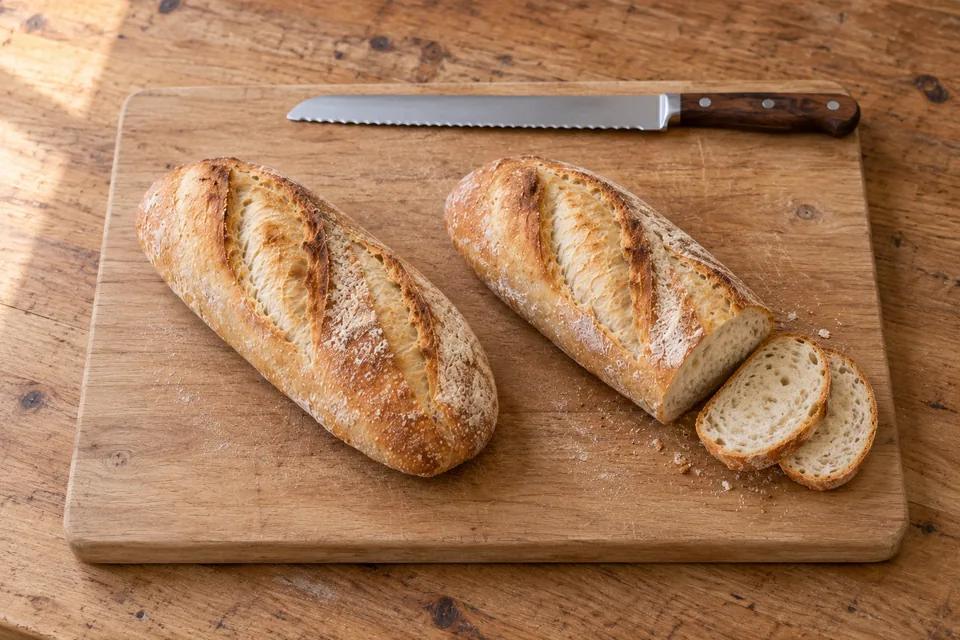
Two slender golden loaves on a board, one whole and one shortened by two matching slices.
Makes
2 small loaves
Heat
246°C
Baking time
20–25 min
View

No-knead bread-flour loaves

Makes
2 small loaves
Heat
246°C
Baking time
20–25 min
Sally’s Baking Addiction · reference variation

No-knead bread-flour loaves

Method

  1. 01 · Mix

    Use: A

    Combine until no dry flour remains.

    Ready when: Sticky.

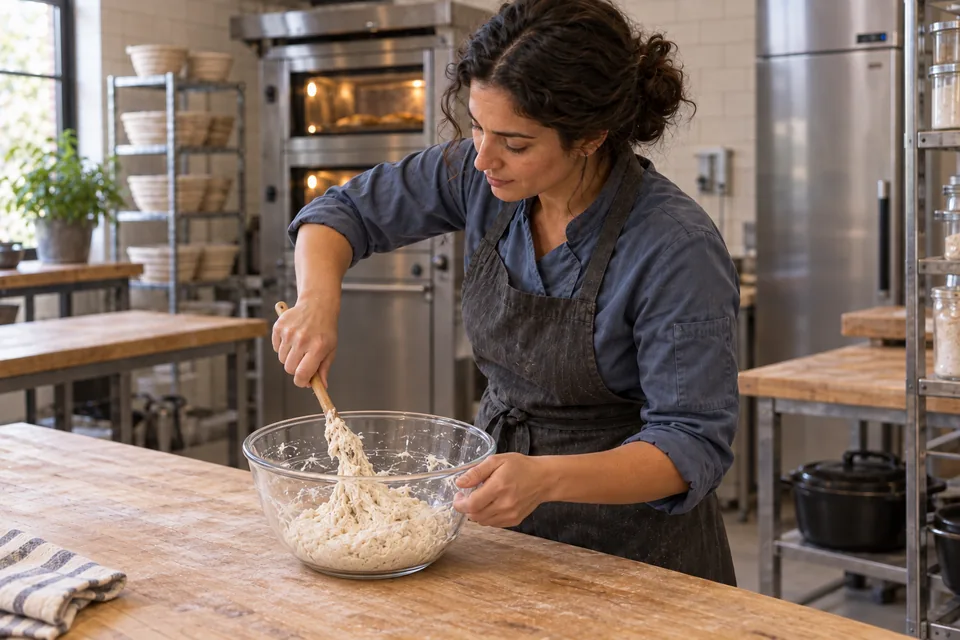
    A baker stirs a modest amount of sticky white dough in a clear round bowl with a wooden spoon.
    01 MixMix until no dry flour remains; the dough stays sticky.
  2. 02 · Rise

    2–3 h

    Use: Dough

    Cover at room temperature.

    Ready when: Doubled; bubbly.

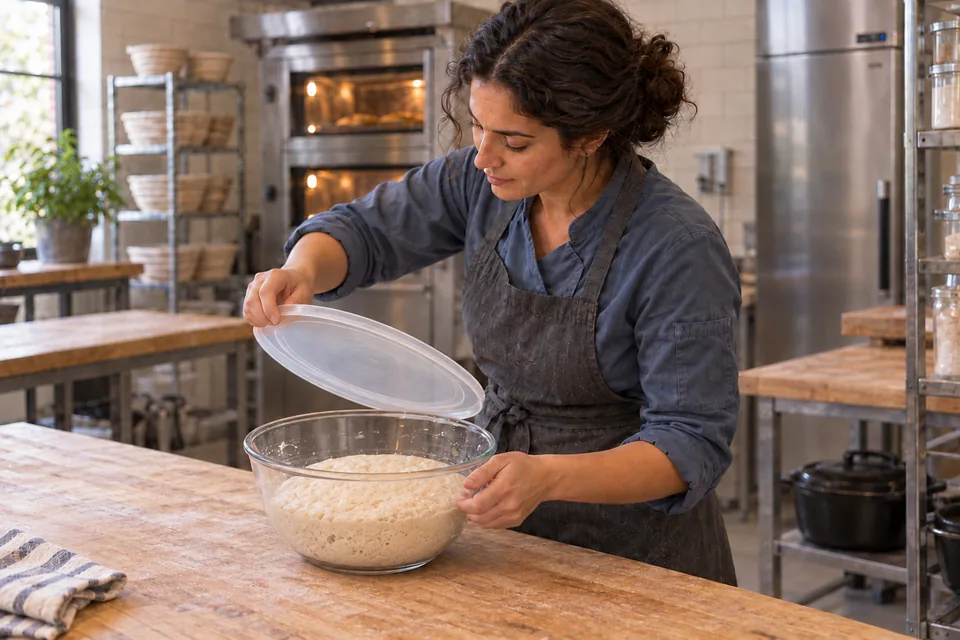
    A baker lifts the lid from a round bowl of bubbly risen dough, with clear headroom above the dough.
    02 RiseLet the covered dough rise until airy and expanded.
  3. 03 · Chill

    Optional 12–72 h

    Use:

    For better flavor, refrigerate covered.

    Ready when:

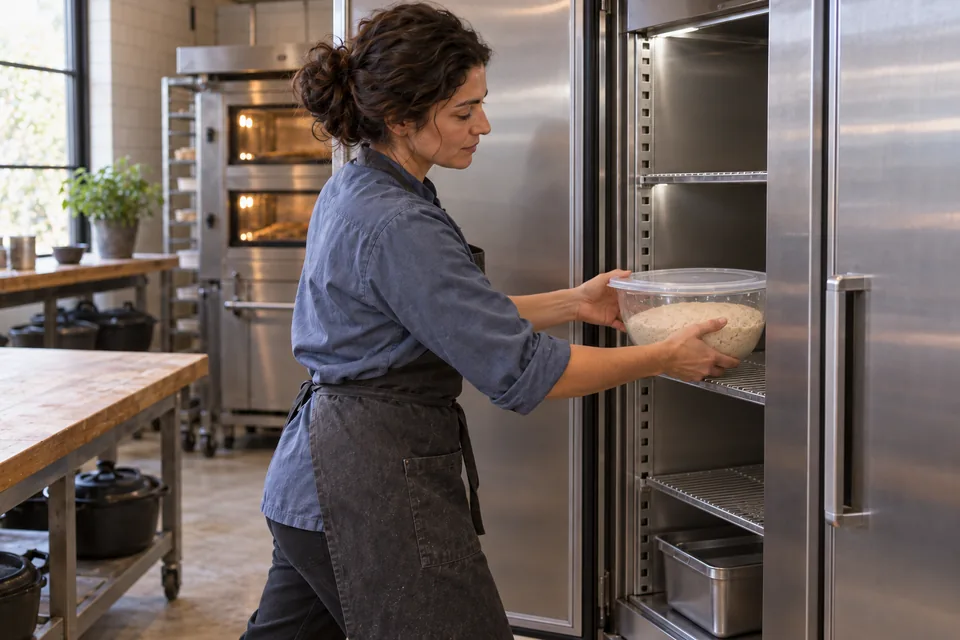
    A baker places a sealed round glass bowl of risen dough on a refrigerator shelf.
    03 Optional chillFor the optional cold rest, refrigerate the covered dough before shaping.
  4. 04 · Shape

    45 min

    Use: B

    Divide; shape two 23 × 8 cm loaves on dusted tray, 8 cm apart. Cover.

    Ready when:

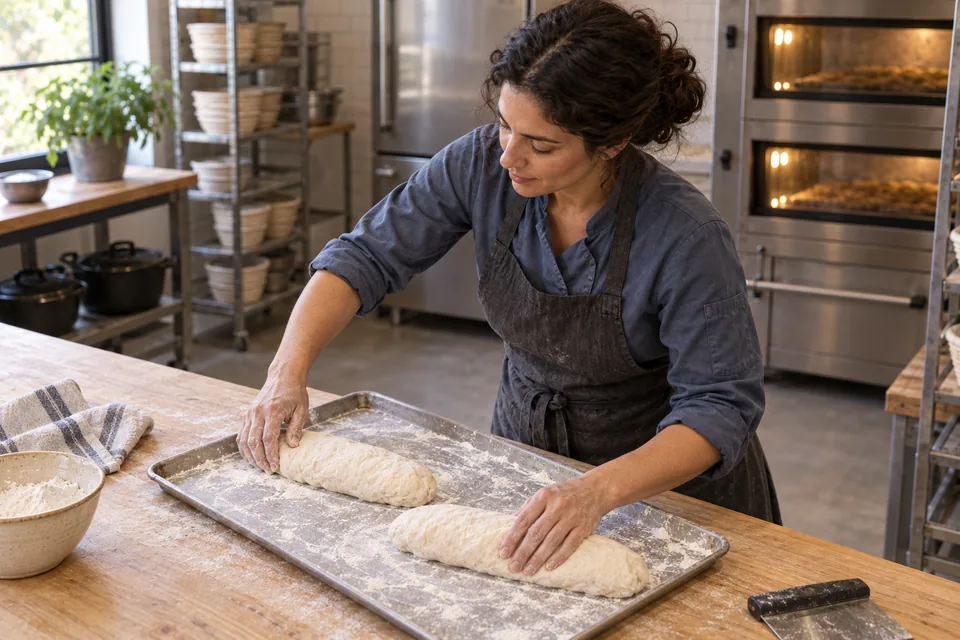
    From above, a baker finishes two spaced elongated dough loaves on a flour-dusted tray.
    04 ShapeShape two short elongated loaves, leave space between them and cover for the rest.
  5. 05 · Bake

    20–25 min

    Use:

    Preheat 246°C during rest. Cut three 1.3 cm slashes per loaf; bake.

    Ready when: Golden; centre 90°C.

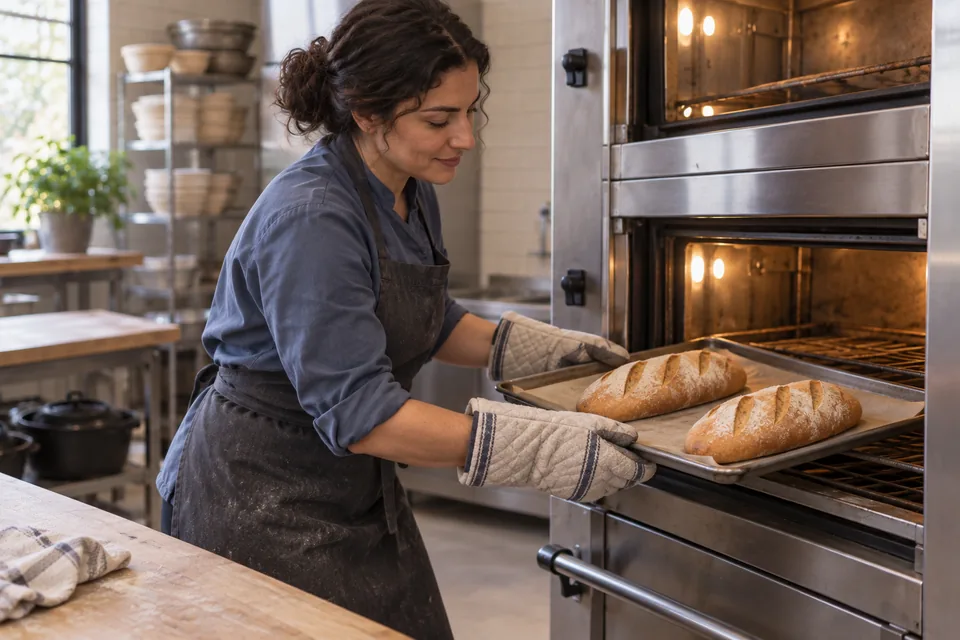
    A baker with oven mitts holds a tray of two golden elongated loaves, each with three diagonal slashes.
    05 BakeMake three diagonal slashes in each loaf before baking; finish when both are golden.
  6. 06 · Cool

    ≥20 min

    Use:

    Rack before slicing.

    Ready when:

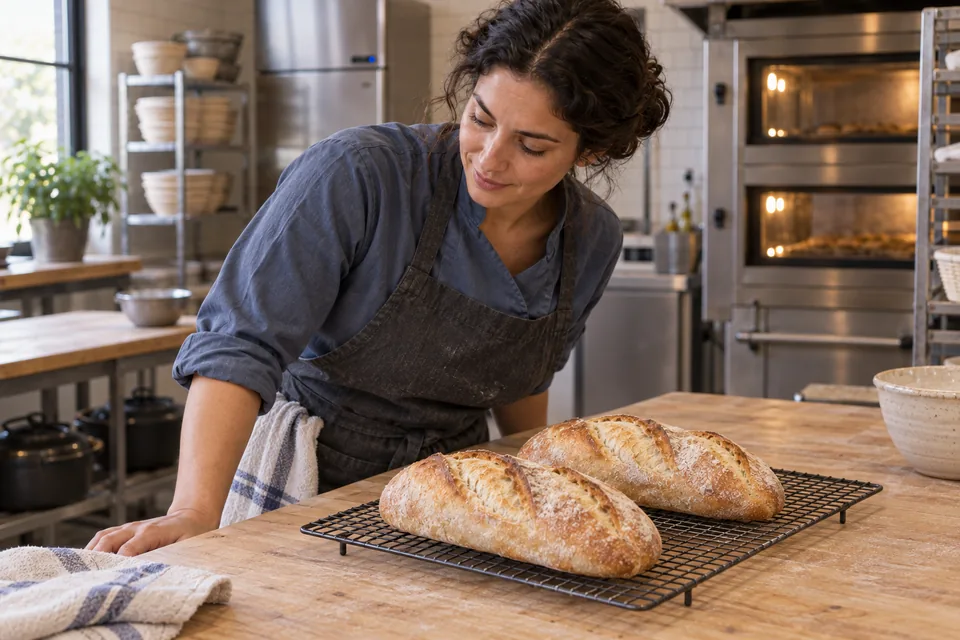
    Two intact golden elongated loaves with three slashes each rest on a wire rack in front of the baker.
    06 CoolCool both loaves on a rack before cutting.

What to look for

StageLook / feel forNeeds attention
MixWet, sticky dough.Adding flour to make it firm.

Troubleshooting

If you see thisLikely causeWhat to do nowNext time
No riseInactive yeast or insufficient timeAllow more time.Use fresh yeast.

Ingredient choices & substitutions
IngredientSpecified typeBrandStatus
YeastInstantRed Star Platinumsuggested
IngredientAlternative / ratioAdjust handlingLikely outcome
Bread flourAll-purpose1:1 by weightNo other changes.Less chewy.
Instant yeastActive drySame amountExtend rise as needed.Slower fermentation.

Match the ingredient’s function and weight. See the flour, gluten, yeast and salt guide.

Sally’s Baking Addiction
Two slender golden loaves on a board, one whole and one shortened by two matching slices.
Two small loaves with a few slices cut after cooling.

Recipe

No-knead bread-flour loaves

How do I make it?

  1. Mix the dough

    Stir the bread flour, yeast, salt and water together until all the flour is wet; the dough will be sticky.

    A baker stirs a modest amount of sticky white dough in a clear round bowl with a wooden spoon.
    Mix until no dry flour remains; the dough stays sticky.

    Ready when: Sticky.

  2. Let it rise

    2–3 h

    Cover the dough and leave at room temperature until doubled and bubbly.

    A baker lifts the lid from a round bowl of bubbly risen dough, with clear headroom above the dough.
    Let the covered dough rise until airy and expanded.

    Ready when: Doubled; bubbly.

  3. Chill for more flavour

    Optional 12–72 h

    If you have time, refrigerate the covered dough for 12–72 hours to develop more flavour.

    A baker places a sealed round glass bowl of risen dough on a refrigerator shelf.
    For the optional cold rest, refrigerate the covered dough before shaping.
  4. Shape two loaves

    45 min

    Divide the dough in half and shape each piece into a loaf about 23 × 8 cm. Put them on a dusted tray with 8 cm between them, then cover and rest for 45 minutes.

    From above, a baker finishes two spaced elongated dough loaves on a flour-dusted tray.
    Shape two short elongated loaves, leave space between them and cover for the rest.
  5. Cut the tops and bake

    20–25 min

    Heat the oven to 246°C while the loaves rest. Make three cuts 1.3 cm deep across the top of each loaf, then bake until golden and 90°C in the centre.

    A baker with oven mitts holds a tray of two golden elongated loaves, each with three diagonal slashes.
    Make three diagonal slashes in each loaf before baking; finish when both are golden.

    Ready when: Golden; centre 90°C.

  6. Cool before slicing

    ≥20 min

    Put the loaves on a rack and wait at least 20 minutes before slicing.

    Two intact golden elongated loaves with three slashes each rest on a wire rack in front of the baker.
    Cool both loaves on a rack before cutting.

What can go wrong, and how can I fix it?

What you noticeLikely causeWhat to do
No riseInactive yeast or insufficient timeAllow more time. Use fresh yeast.

See the detailed method and ratios in , or follow ingredients through the .

Ingredient proportions & recipe details

No-knead bread-flour loaves at a glance

Makes
2 small loaves
Heat
246°C
Baking time
20–25 min
Leavening
Yeast