Match four cloud names to four shapes. Cumulus has separate rounded puffs; stratus forms a broad, low layer. Cirrus makes feather-like strands high in the sky. Cumulonimbus rises into a tall tower with a spreading top. Use the picture guide for help.
Weather and climate · Discover & try
What can a cloud's shape tell us?
Reading level 2 of 5 · DevelopingChange
Word help
cumulus
A cloud with distinct rounded heaps or puffs.
stratus
A low cloud spread in a fairly even layer.
cirrus
A high cloud with thin, icy strands.
cumulonimbus
A tall thunderstorm cloud, often topped by an anvil.
Learn four cloud shapes
Start with these labelled examples. Compare the shape, then use this guide to match a photograph in the activity.

Cumulus
Separate puffs with rounded tops.
NOAA Photo Library.
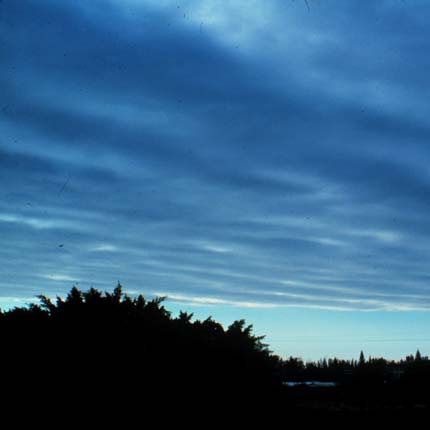
Stratus
A broad, low blanket or sheet.
NOAA Photo Library, National Weather Service Collection. Photograph: Ralph F. Kresge.
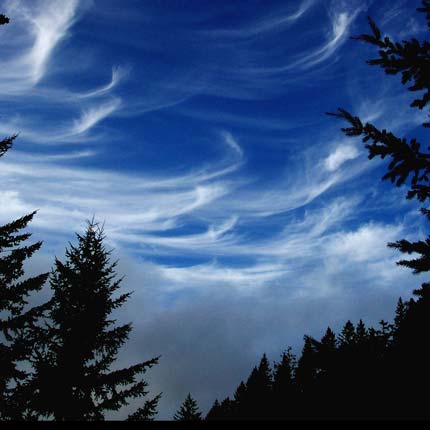
Cirrus
Thin, feather-like wisps high in the sky.
NOAA Photo Library, National Weather Service Collection. Photograph: Captain Albert E. Theberge Jr., NOAA Corps (ret.).
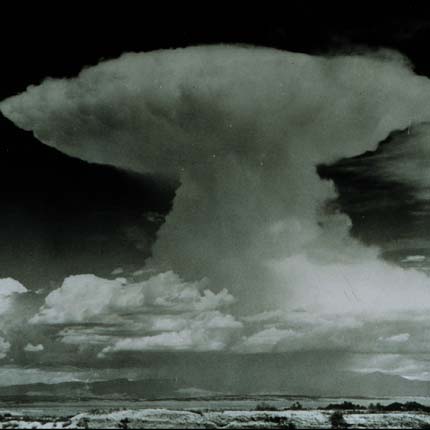
Cumulonimbus
A tall tower with a wide, flat top called an anvil.
NOAA Photo Library.
Four examples, not every cloud type. Photo sources and credits · NOAA image-use information.
Watch · Try · Explain
See how it works
The interactive activity is loading.
Real NOAA cloud photographs; shape clues do not provide a local forecast.
What to look for
- Separate puffs or a broad layer
- Fine wisps or a tower
- The labelled picture matching your clue
Explain what you noticed
Which clue best matches cirrus?
Keep this idea: Compare cloud shapes; a photograph is not a local forecast.
Follow the sources
- NOAA — Ten Basic Clouds
- NOAA — The Four Core Types of Clouds
- NASA Space Place / NOAA Photo Library — Weather Slyder: photographs, captions and credits
Source material checked 2026-10-28. Explanations and activities by Nepedia. Agency source links do not imply endorsement.
Keep following the idea
Next discovery →