Music is the sound we make when we sing or play instruments. You can use your voice or a drum to make a beat. 

Music is a special way to arrange sounds to make a tune or a beat. It uses things like melody, which is the tune you sing, and rhythm, which is the beat you clap to. People have made music for a very long time. 


Music is a cultural universal found in every human society. It is created by combining elements like pitch (how high or low a sound is), rhythm (the timing of sounds), and harmony (playing different notes at the same time). 

To remember and share music, people use notation, which is writing down notes on paper called sheet music. 

Music is a universal part of human culture, defined as the arrangement of sounds to create form, harmony, and rhythm. The word "music" comes from the Ancient Greek phrase "mousiké technē," which means the "art of the Muses." The Muses were nine goddesses in mythology who protected the arts and sciences.
The history of music is incredibly long. The oldest known musical instruments are flutes made from bird bones and mammoth ivory, dating back over 40,000 years. 


Music has several "elements" that make it work. Pitch refers to how high or low a note is. Rhythm is the arrangement of sounds and silence in time. Texture describes how many layers of sound are in a piece. For example, "monophony" is just one melody, while "polyphony" has many independent lines playing at once. Timbre, or "tone color," is the quality of a sound that makes a flute sound different from a trumpet, even if they play the same note. 
Creating music involves composition (writing it), performance (playing it), and improvisation (making it up as you go). In the 20th century, technology changed everything. The invention of the radio and records meant people could hear music from all over the world in their own homes. 
Music is a cultural universal, present in all human societies, though its definition varies across the globe. It is generally understood as the arrangement of sound to create combinations of form, harmony, melody, and rhythm. The English word "music" came into use in the 1630s, derived from the Greek "mousiké technē," referring to the "art of the Muses," the mythological deities of the arts.
The origins of music are debated, with theories suggesting it evolved alongside language or as a result of natural selection, perhaps for mating calls or social cohesion. Archaeological evidence supports the existence of music in prehistory; flutes made of bone and ivory found in Germany date back over 40,000 years.
Asian musical traditions are among the oldest and most diverse in the world. Indian classical music, based on "ragas" (melodic modes) and "talas" (rhythmic cycles), dates back to the Indus Valley civilization. 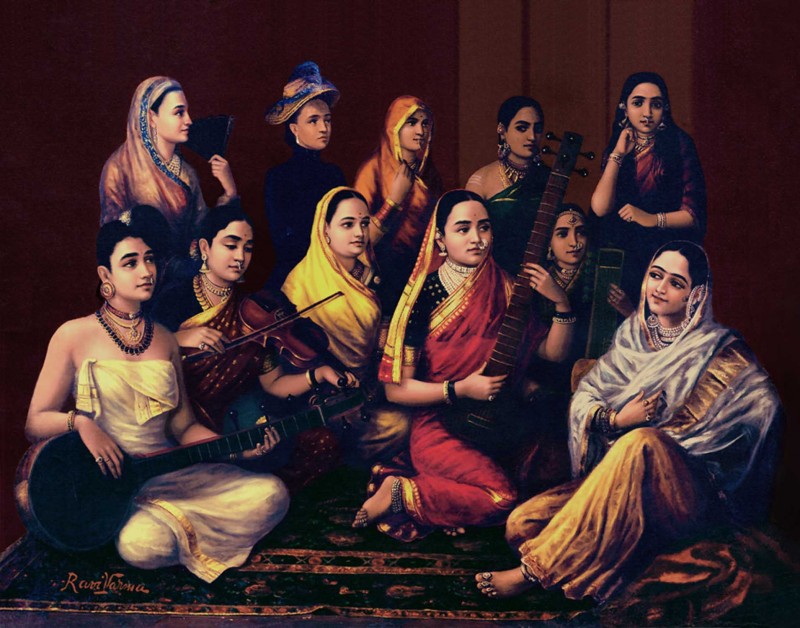

Western classical music is divided into distinct periods. The Medieval era (500–1400) focused on monophonic liturgical chants. The Renaissance (1400–1600) introduced complex polyphony and the printing press, which revolutionized music distribution.
The 20th and 21st centuries brought radical changes through technology. The invention of sound recording, radio, and eventually digital audio workstations (DAWs) allowed music to be mass-produced and edited in ways previously impossible. 
Music is built on fundamental elements. Pitch distinguishes high and low tones, while melody is a succession of these pitches. Harmony involves vertical sounds or chords. Rhythm organizes sound in time, often using a "meter" or pulse. Texture describes the density of the sound—ranging from monophony (a single line) to homophony (melody with chords) and polyphony (interweaving lines). Timbre, or "tone color," is the specific quality of a sound that allows us to distinguish a violin from a piano. 
Sociologically, music serves many roles, from religious ceremonies to political propaganda. Historically, women have been significant contributors as performers and educators, though they were often underrepresented as composers and conductors in Western traditions. 
🖼️ Images & Media (45)


+ 33 more
✨ What else?
Related topics you might enjoy
🪜 Step back
Simpler topics to build understanding